
Shaving in winter: Why aftershave balm is now the better choice

In winter, shaved skin is particularly stressed. Cold, wind, and dry indoor heating rob it of moisture, while shaving itself further irritates the skin. This can result in feelings of tightness, redness, or an uncomfortably dry feeling. Especially during the colder months, it's therefore worthwhile to consciously adjust your shaving routine.
What happens to the skin after shaving?
Every wet shave puts slight stress on the top layer of skin. Micro-injuries are perfectly normal, and the skin barrier is temporarily weakened afterward. In summer, the skin usually copes well with this. In winter, however, it often lacks the necessary moisture and protection – irritations develop more quickly.
Aftershave lotion: refreshing, but often too strong in winter.
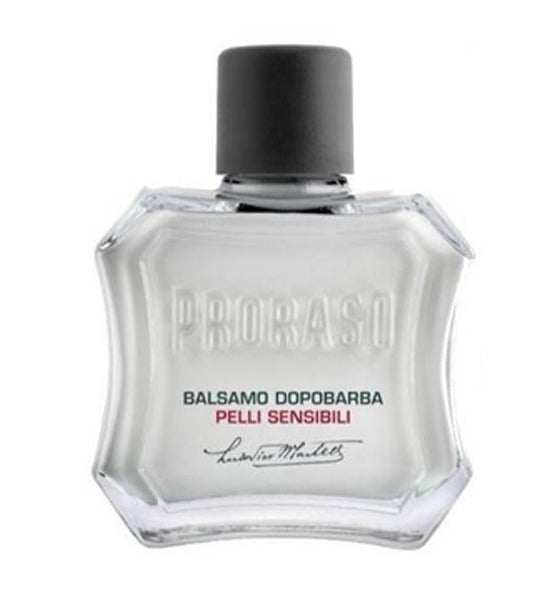
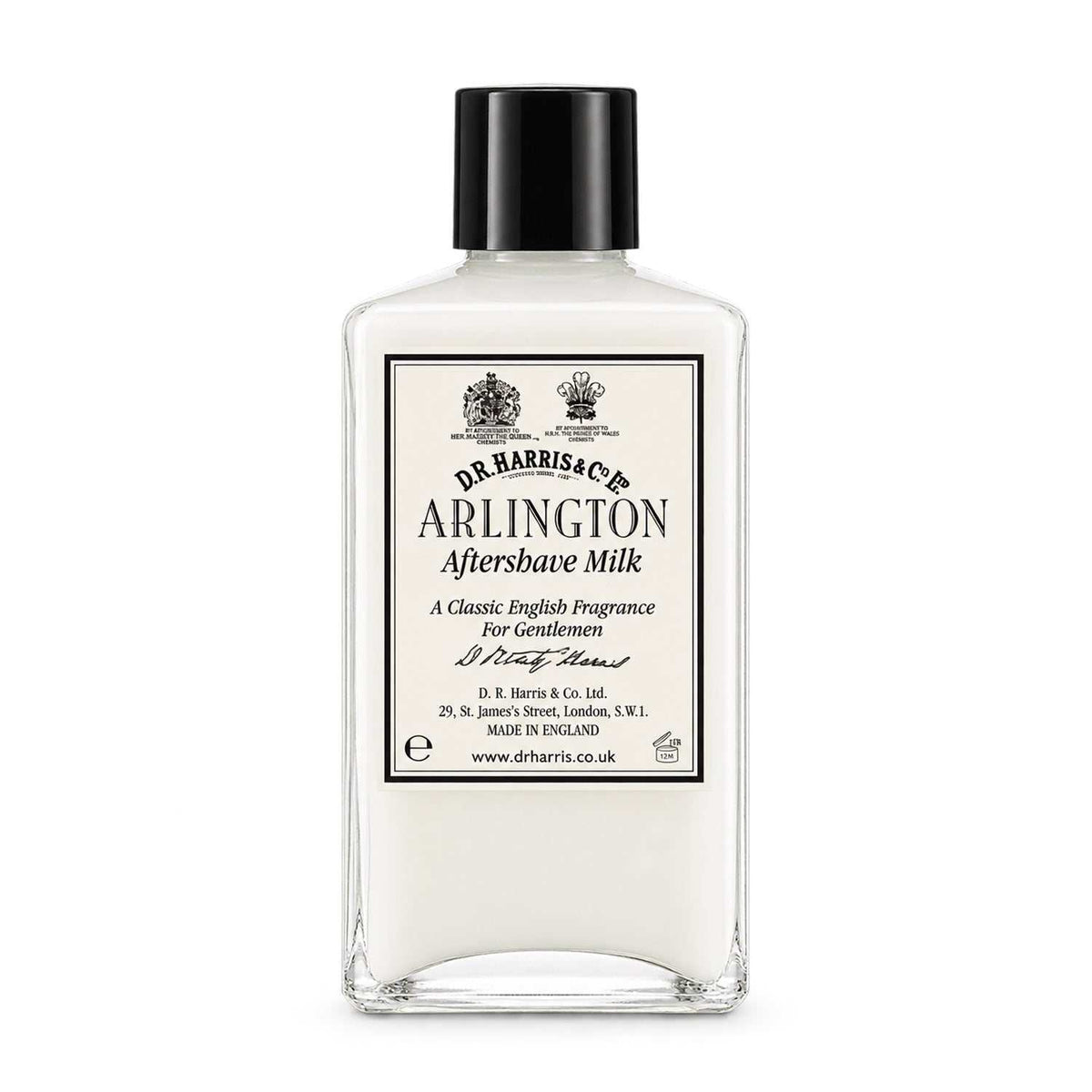
Classic aftershave lotions have an invigorating and disinfecting effect. They often contain alcohol, which provides a short-term refreshing effect on the skin but also dehydrates it. This can be problematic in winter: the skin feels tight, becomes dry, or reacts sensitively – especially with daily shaving.
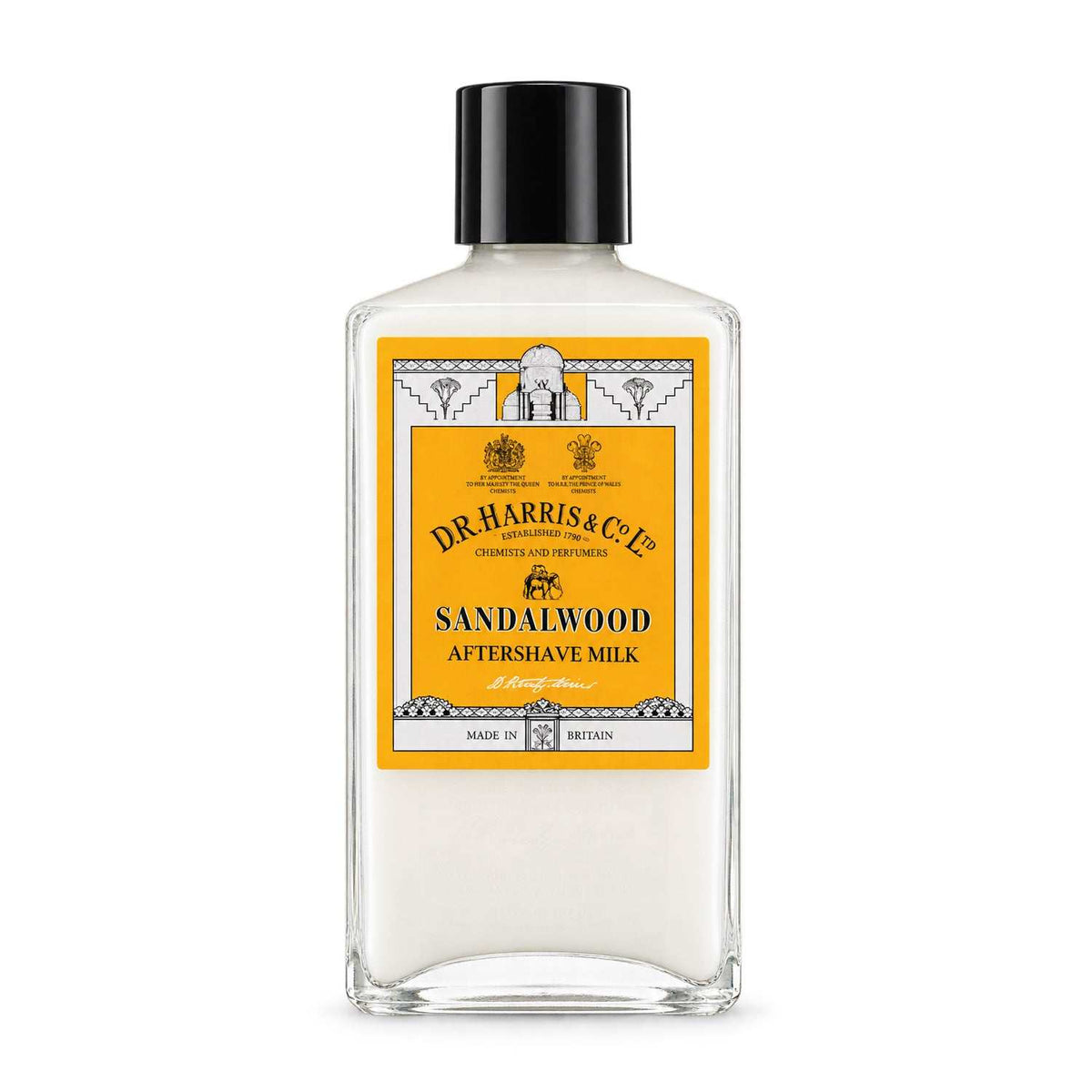
Aftershave balm: soothing, nourishing, protective
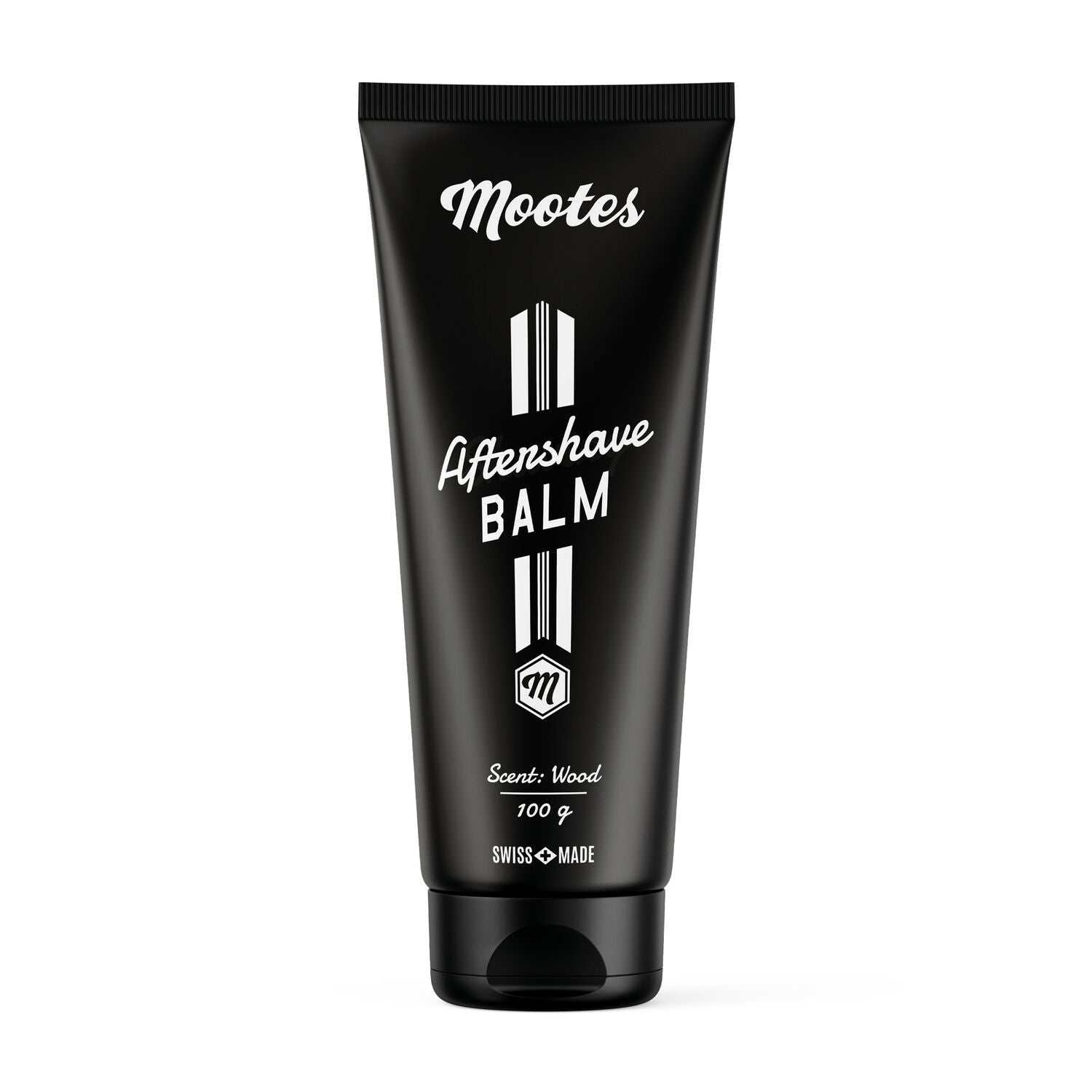
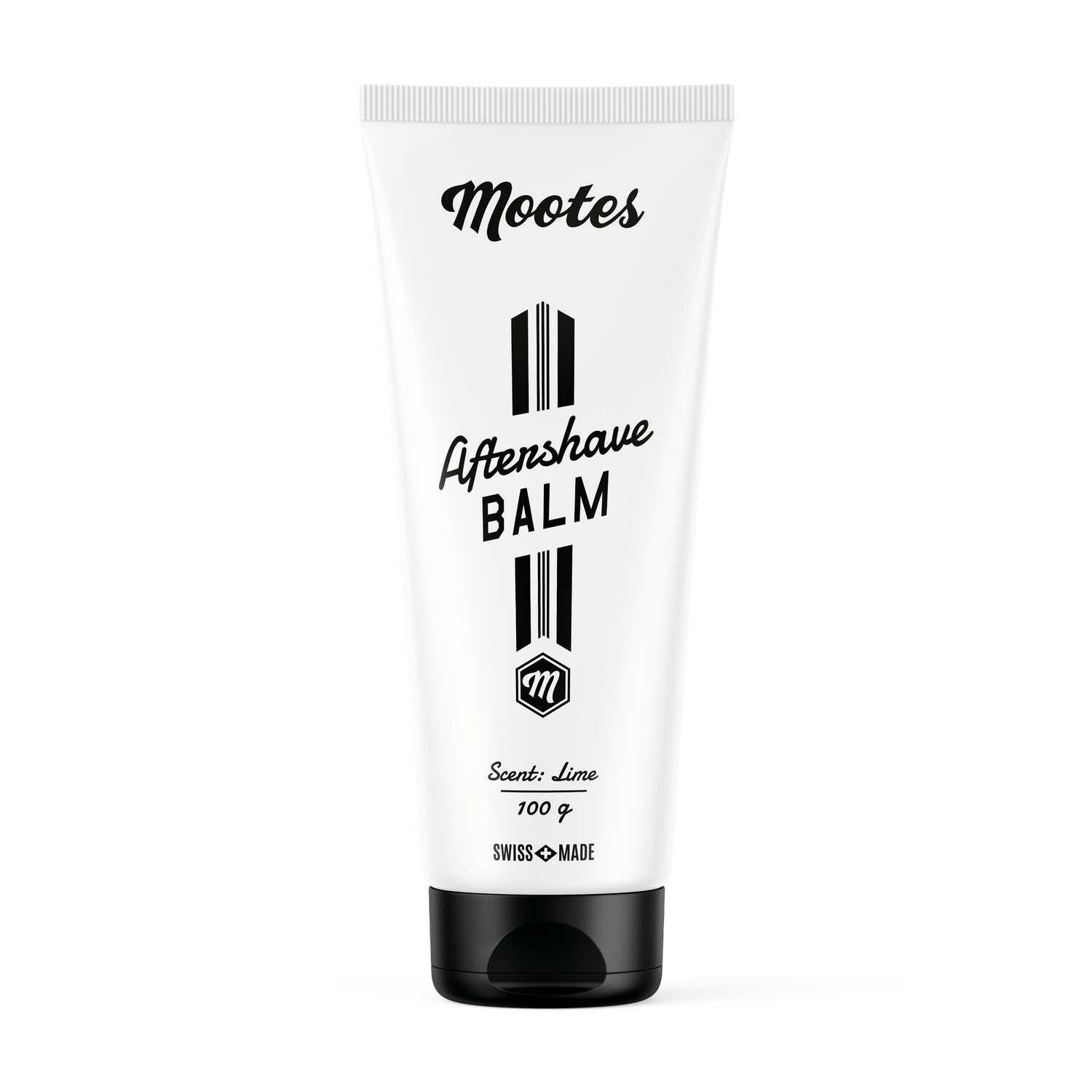
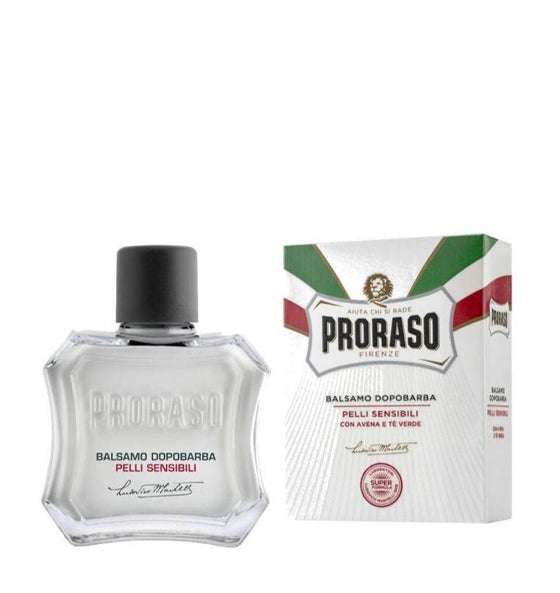
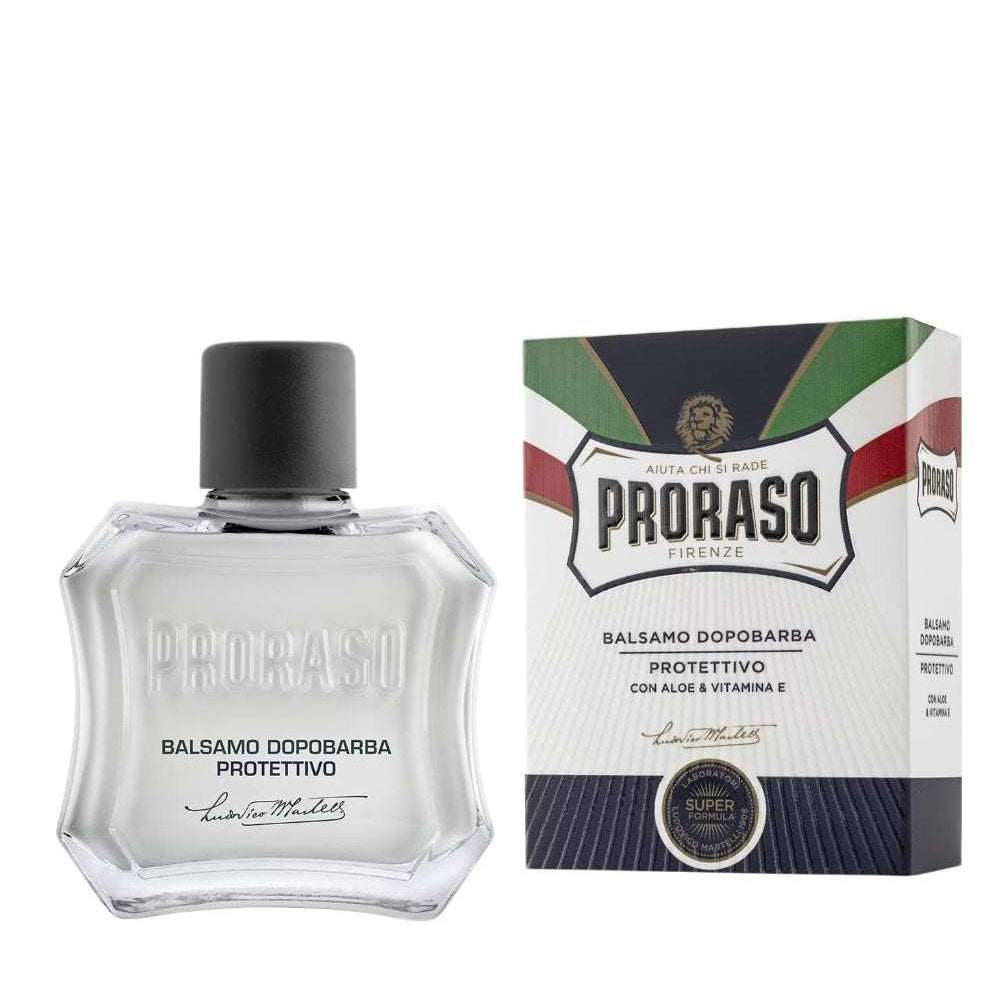
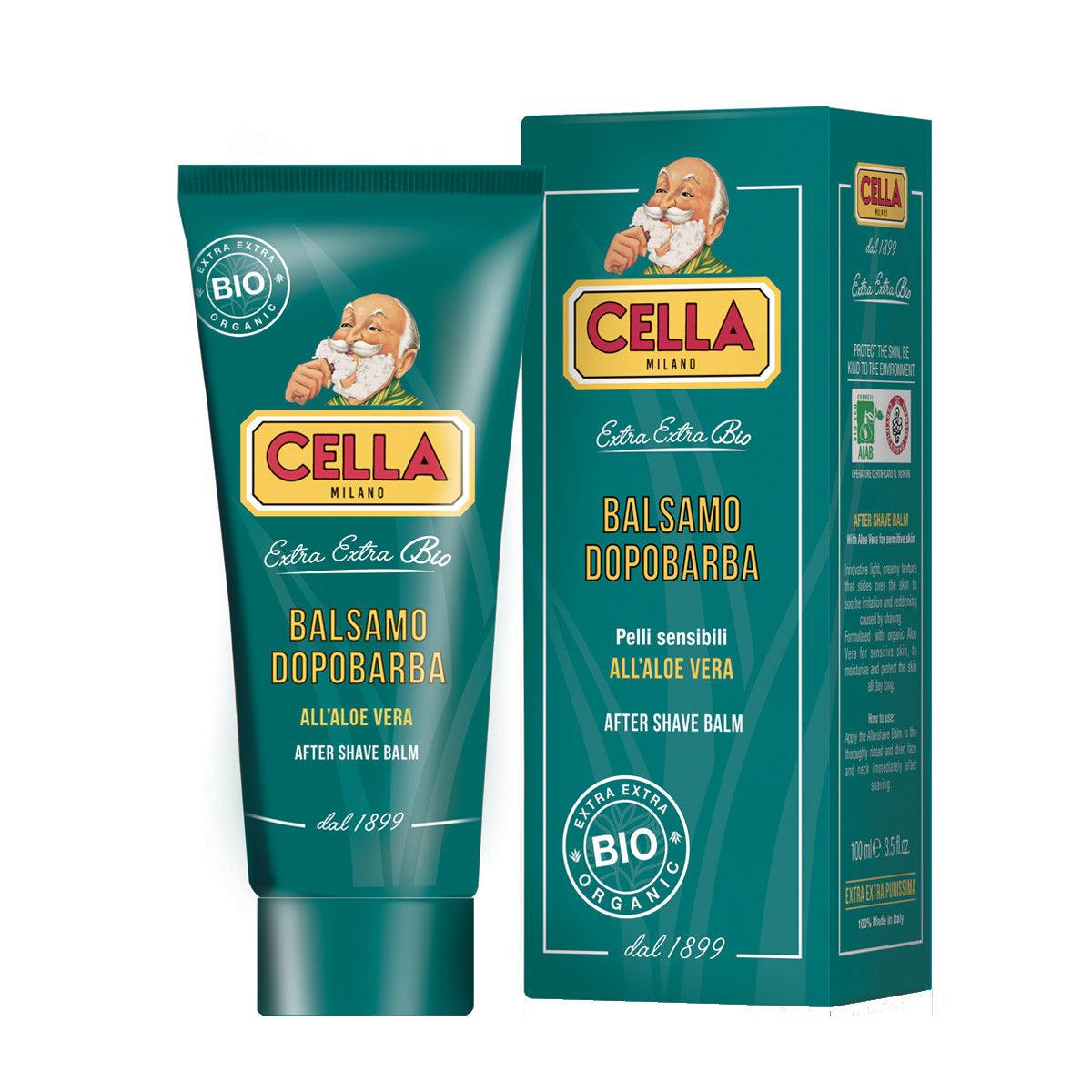
An aftershave balm is usually the better choice in winter. It's alcohol-free or low in alcohol, has a soothing effect, and provides targeted hydration to the skin. Nourishing ingredients help strengthen the skin barrier and reduce redness. Instead of a quick burst of freshness, a balm offers lasting care – exactly what freshly shaved skin needs in cold weather.
Conclusion
The shaving process remains the same – but the aftercare should change in winter. Using aftershave balm during the colder months supports skin regeneration and ensures a relaxed, cared-for feeling after every shave.



Comments